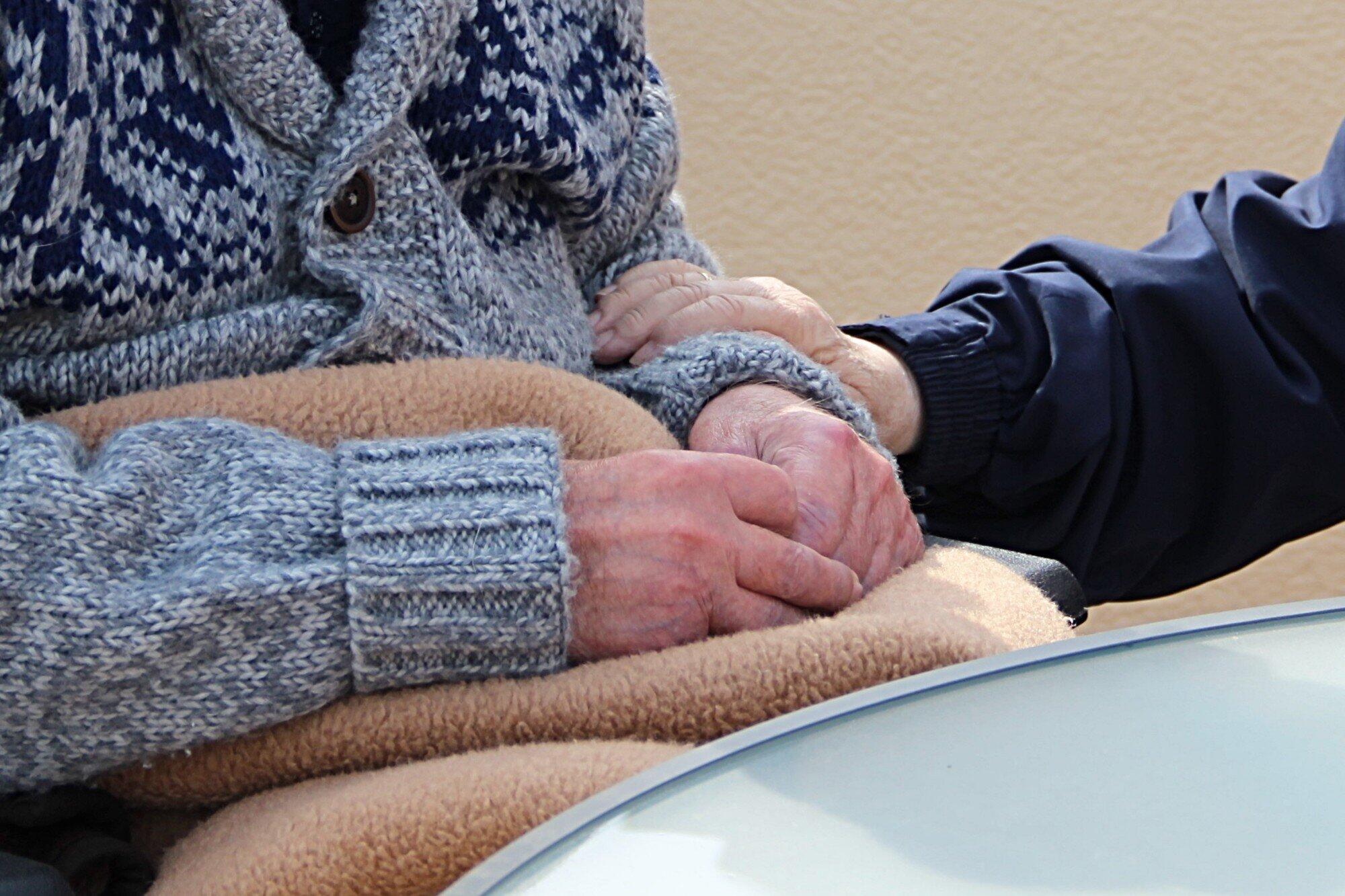
A bedsore in an Oklahoma nursing home should prompt questions about the resident’s condition, prevention plan, and treatment. It does not automatically prove neglect. The central issue is whether the facility assessed the resident’s risks, provided appropriate care, monitored changes, and responded when a skin problem developed.
Families often first hear about a pressure injury during a hospital transfer or after noticing that a loved one is uncomfortable. The explanation may be brief: the resident is frail, spends considerable time in bed, or has difficulty moving. Those facts can be relevant, but they do not answer whether the facility delivered the care the resident needed. A careful review follows the timeline and the records rather than making assumptions in either direction.
What are bedsores and pressure injuries?
Bedsores are also called pressure sores, pressure ulcers, or pressure injuries. The National Library of Medicine’s pressure injury prevention guidance explains the importance of relieving pressure and addressing risks for people with limited mobility. A clinician should evaluate skin changes and determine the appropriate diagnosis and treatment.
Families should not try to assign a wound stage from an online photograph. Ask the treating professional to explain what was found, where it is located, when it was first documented, and whether it has changed. Skin appearance can vary, and different wounds can require different treatment.
BDIW Law’s nursing home abuse and neglect attorneys can help evaluate whether the care record raises concerns that warrant a legal investigation.
Our Team Is Here To Assist You Every Step Of The Way.
SPEAK TO AN ATTORNEY TODAYWhat care should the facility be evaluating?
For nursing facilities subject to the federal participation requirements, 42 CFR Section 483.25 addresses skin integrity and pressure ulcer care. The rule requires care consistent with professional standards to prevent pressure ulcers unless the clinical condition demonstrates they were unavoidable, and necessary treatment and services for a resident who has them.
The practical questions are individualized. What risks did the resident have? What interventions were ordered? Were they carried out? Did staff revise the approach when the resident’s mobility, nutrition, or condition changed? A written plan is useful evidence, but the review must also examine what actually happened.
Ask who is responsible for coordinating care and how changes are communicated across shifts. If a resident was recently hospitalized, ask how discharge instructions and new restrictions were incorporated into the facility’s plan.
Which warning signs deserve prompt attention?
New skin changes, a worsening wound, increasing discomfort, or an unexplained decline should be brought to a clinician’s attention. Ask for a timely assessment rather than waiting for the next routine family meeting. For an apparent medical emergency, call 911.
The MedlinePlus guidance on pressure sores discusses symptoms and situations requiring medical help. It is a patient education resource, not a substitute for examination. Families should follow clinical instructions and avoid applying unapproved treatments themselves.
Communication problems can also justify further questions. Examples include conflicting explanations about when a wound began, repeated inability to obtain a care update, or a transfer summary that describes a problem the family had never been told about. These are reasons to investigate, not proof of a particular legal conclusion.

What should you ask at a care meeting?
Request a focused conversation with the appropriate clinical staff. Bring a written question list and take notes identifying who attended. Ask for explanations in plain language, including what the current plan is and how staff will determine whether it is working.
- When was the skin problem first identified and documented?
- What did the admission assessment show about skin condition and risk?
- What prevention measures were selected for this resident?
- How are repositioning, assistance, and skin checks recorded?
- Were recommended consultations or treatments delayed?
- What changes have been made since the wound developed?
A family member should not have to guess whether an intervention is being provided. Ask who can answer follow-up questions and when you should expect the next update. Preserve the response rather than relying on memory.
What records may help explain what happened?
An authorized person can request relevant records through the appropriate process. The scope of access depends on the resident’s rights and the requester’s authority. A family relationship alone should not be assumed to provide unrestricted access to every document.
Potentially useful records include admission assessments, care plans, nursing notes, wound measurements, photographs maintained in the medical record, treatment orders, hospital transfer documents, and communications about changes in condition. Medication and nutrition records may also help clinicians understand the larger picture.
Keep the materials in the order received and preserve dates. Do not write on an original document or alter the only digital copy. If you photograph a visible concern with the resident’s permission and appropriate privacy protections, preserve the original file and note when the photograph was taken.
Why the timeline is often more useful than one photograph
A photograph may show a wound’s appearance on one day. It does not necessarily establish when the injury began, how it developed, or whether treatment was appropriate. A timeline can connect the resident’s condition to assessments, reported concerns, interventions, and changes.
For example, a hypothetical resident may return from the hospital with a new need for assistance. The investigation would examine how that change was communicated and whether the care plan was updated. If a wound later appeared, the review would also consider the resident’s medical risks and the response. The result cannot be determined from the sequence alone.
Record observations without turning them into diagnoses. “My father reported pain while sitting during the Sunday visit” is more precise than saying staff caused a particular injury when you did not observe the care.
How can families report possible neglect in Oklahoma?
The Oklahoma State Department of Health Long Term Care Service oversees licensed long-term care facilities and provides complaint information. A regulatory complaint can identify concerns for investigation, but it is different from pursuing a civil claim for compensation.
Include the facility name, resident information, relevant dates, specific observations, and the concern you want investigated. Keep a copy and any acknowledgment. If immediate safety is at risk, address the emergency first rather than waiting for a complaint response.
The Oklahoma Long-Term Care Ombudsman is another resource for resident rights and care concerns. A legal consultation can occur alongside these processes. Do not assume an agency investigation extends a lawsuit deadline.
How a legal review can help
A neglect investigation may require medical expertise to assess preventability, the standard of care, and whether a failure caused additional harm. It may also require identifying the facility operator and other potentially responsible parties. The business name on a sign does not necessarily answer every ownership question.
Bring BDIW Law the records you have and explain what remains unavailable. Request a consultation if your family needs help understanding possible nursing home neglect in Oklahoma. An accurate review should account for both the resident’s underlying condition and the facility’s actual care.
Related reading: What Families Should Do After a Nursing Home Fall in Oklahoma.
Frequently asked questions
Does every nursing home bedsore prove abuse?
No. Some pressure injuries can develop despite appropriate care. The assessment, prevention measures, monitoring, treatment, and medical circumstances must be reviewed.
Can neglect occur without intentional abuse?
Yes. Neglect concerns failures to provide appropriate care and does not always involve an intent to harm. A legal claim still requires proof of the applicable elements.
Should we wait for a severe wound before asking questions?
No. Report new or worsening skin concerns promptly and request a clinical evaluation. Early questions can help clarify the care plan and protect the resident.
Does filing a state complaint start a lawsuit?
No. Regulatory complaints and civil claims are separate processes. Ask an attorney about any legal deadlines while the complaint is being reviewed.
What should we preserve first?
Preserve care communications, relevant dates, authorized records, and original photographs obtained appropriately. Document observations accurately and obtain medical help when needed.
This article is general educational information, not an individual medical diagnosis or legal opinion.